How Long Does All Day Slimming Tea Take to Work? A Realistic Week-by-Week Timeline
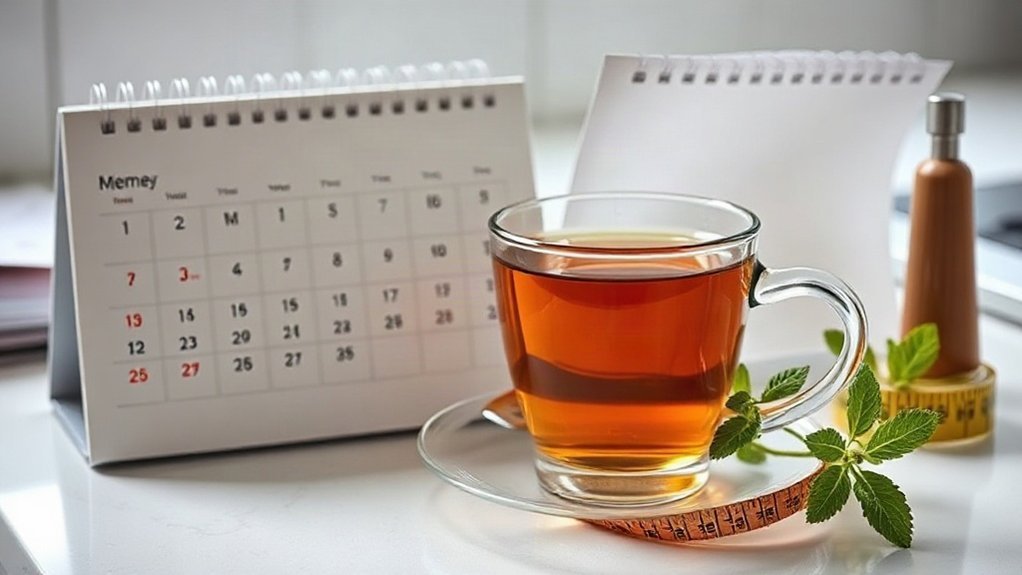
I wouldn’t expect All Day Slimming Tea to cause meaningful fat loss on a set timeline. In the first 24 hours, senna may trigger bowel movements, while caffeine may briefly boost alertness or urination; neither means you’re burning fat. Over the first week, any scale drop may reflect fluid or stool changes, and no visible change is also possible. I’ll explain what its ingredients may do, what risks to watch for, and which habits support lasting progress.
Key Takeaways
- Week 1: A plain green-tea blend is unlikely to cause noticeable weight loss; caffeine may briefly increase alertness or urination.
- Weeks 2–4: No specific result is guaranteed; any effect on weight is likely modest and uncertain.
- After several weeks: No change is possible, and lasting weight loss depends more on sustainable eating and activity habits.
- If the tea contains senna, bowel movements may increase within hours, but this is a laxative effect—not fat loss.
- Rapid scale drops may reflect water or stool loss; stop using senna and seek advice for severe cramps, persistent diarrhea, or faintness.
How Long Does All Day Slimming Tea Take to Work?

There’s no reliable timeline for All Day Slimming Tea to cause fat loss, because slimming teas haven’t been shown to produce meaningful, lasting weight loss. If you’re asking, “how long does all day slimming tea take to work,” I’d separate a laxative effect from actual fat loss. A blend containing senna may increase bowel movements within hours, but that isn’t evidence the tea is burning fat or detoxing your body.
Any quick change on the scale may reflect water weight and stool, not body fat. That temporary drop can reverse when you rehydrate, so it doesn’t establish a dependable slimming tea results timeline. Before-and-after changes may reflect temporary water loss rather than lasting fat loss. I wouldn’t use laxative tea as a weight-loss method: regular use can cause cramps, diarrhea, dehydration, and electrolyte imbalance.
Check the ingredient list, since formulas vary. If you take medication, have a health condition, or are pregnant or breastfeeding, ask a healthcare professional before trying it. For lasting weight management, focus on sustainable habits rather than a promised deadline.
What Might You Notice in the First 24 Hours?
In the first 24 hours, you might notice more bowel movements if the tea contains senna, sometimes with cramps, urgency, or diarrhea. I’d check the ingredient list first: slimming tea blends vary, and some contain no laxatives or stimulants.
A quick change in scale weight isn’t proof of fat loss. It may reflect water loss or less bowel content, so I wouldn’t treat an early drop as a meaningful result. If the blend contains caffeine, you may feel temporarily more alert or urinate more; some people also experience jitters, anxiety, or trouble sleeping.
Laxative or diuretic effects can contribute to dehydration. I’d drink fluids and stop using the tea if you develop significant diarrhea or feel faint. Senna can cause stomach cramps and diarrhea in some people. These immediate effects don’t predict what you’ll experience across the slimming tea first week, and a bowel movement isn’t evidence that the tea has burned body fat.
What Might Change in the First Few Days?
Over the first few days, what you notice depends on the ingredients: senna may increase bowel movements and cause cramps or diarrhea, while caffeine may leave you jittery or disrupt sleep. I’d treat these as ingredient effects, not signs that the tea is burning fat.
If the scale drops quickly, fluid loss or changes in bowel contents are more likely explanations than reduced body fat; the number may rise again when you rehydrate. Caffeine can also temporarily increase urination, and sensitivity varies. A gentler, caffeine-free herbal blend may ease gas or bloating for some people, but it won’t melt fat or reliably reduce weight. Senna can cause stomach cramps and diarrhea.
What Should You Expect After One Week?
After one week, any change on the scale is more likely to reflect water loss or altered bowel movements than meaningful fat loss. I wouldn’t treat a lower number as proof the tea is working. A plain green-tea blend is unlikely to produce a noticeable weight change this soon, and evidence for slimming teas remains limited. The scale can fluctuate with water weight, so a quick drop doesn’t necessarily mean you’ve lost body fat.
Track how you feel, not just your weight. Note bowel changes, cramps, nausea, or diarrhea, and drink fluids as appropriate. Laxative-related fluid loss can cause dehydration and electrolyte changes. Stop using the tea and seek medical advice if diarrhea is severe or persistent, you feel faint, or other concerning symptoms appear.
For a useful detox tea results timeline, weigh under consistent conditions and measure your waist circumference weekly. Don’t expect a specific result by week 4; reassess safety and whether the routine suits you then.
Why a Quick Scale Drop Isn’t Fat Loss
If the scale drops quickly, I’d first consider water shifts from urination or bowel movements, since lost fluid can return when you rehydrate. Senna may empty your bowel and temporarily flatten your abdomen, but it doesn’t burn fat. To track fat loss more reliably, I’d look at weight trends over several weeks rather than one-day changes. Detox teas have not been shown to deliver meaningful, lasting weight loss.
Water Weight Shifts
A quick scale drop after drinking All Day Slimming Tea may reflect water loss, not fat loss: caffeine can increase urination, and senna can increase bowel movements. I wouldn’t treat that early change as proof the tea is reducing body fat.
These water weight shifts are temporary. Once you rehydrate and your fluid balance returns to normal, the scale may rise again. A rapid loss of around five pounds could represent substantial fluid loss, not meaningful fat reduction. Losing too much fluid can cause dehydration and disrupt sodium and potassium levels, which support normal heart and muscle function.
For a clearer view of slimming tea results, I’d weigh under consistent conditions and look at the trend over several weeks, including week 8, rather than reacting to one reading. Drink normally, and seek medical advice if you feel unwell.
What Senna Changes
The scale changes from senna come from faster bowel movements, not fat loss: this stimulant laxative can empty stool and reduce water temporarily. You might also notice a briefly flatter abdomen, but that change doesn’t show lasting slimming tea progress. Once you rehydrate and your fluid balance returns to normal, the weight often comes back. I wouldn’t treat this short-term shift as meaningful weight loss tea results or a sign that the tea has burned body fat.
Senna-related diarrhea can dehydrate you and reduce sodium and potassium, which your heart and muscles need. Overuse may also cause cramps, nausea, and diarrhea; prolonged use can disrupt normal bowel function and lead to reliance on laxatives. I wouldn’t use senna tea regularly for weight management: it isn’t a proven method for lasting fat loss.
Tracking Fat Loss
When the scale drops quickly after slimming tea, I’d treat it as a change in fluid or bowel contents—not proof of fat loss. Senna can empty your bowel, briefly flatten your abdomen, and lower scale weight; it doesn’t burn fat. That fluid weight often returns when you rehydrate. So, when will i see results? I’d judge progress over time, not by tomorrow’s reading.
| Signal | What I’d infer |
|---|---|
| Sudden drop | Likely fluid or bowel contents |
| Flatter abdomen | May reflect an emptied bowel |
| Weight returns | Fluid balance is normalizing |
| Weekly trend | More useful than one reading |
| Progress photo | Compare under similar conditions |
I’d weigh consistently and pair longer-term trends with healthy habits. A weight loss plateau can reflect normal fluctuations, not failure. Frequent laxative use risks dehydration and electrolyte imbalance; I wouldn’t use it to pursue or track fat loss.
Can the Tea’s Ingredients Help With Weight Loss?
I’d look at the ingredients separately: green tea’s caffeine and catechins may briefly increase energy use, but studies suggest any weight-loss effect is modest and inconsistent. Senna can move the scale by prompting bowel movements, not by burning body fat. The tea’s herbal ingredients are intended to support weight loss, but their effects vary and the evidence is limited. I’ll explain what these effects may—and may not—mean for your results.
Green Tea And Thermogenesis
Green tea’s caffeine and catechins may briefly increase energy use and fat oxidation, but the effect is small and won’t produce rapid or substantial weight loss on its own. I’d treat thermogenesis as a minor effect, not a timeline for visible change. Green tea catechins may offer a modest, inconsistent benefit when paired with healthy habits, but they don’t replace a calorie deficit.
- Caffeine and catechins can slightly raise energy expenditure.
- Any thermogenic effect is temporary.
- Matcha may contain more caffeine and catechins, but it isn’t a shortcut.
- Senna-related scale changes reflect fluid loss or bowel movements, not fat burning.
- I’d focus on sustainable eating and activity rather than expecting tea to drive results.
If you drink it, consider caffeine sensitivity and keep expectations realistic.
Modest Weight-Loss Evidence
The ingredients in All Day Slimming Tea may offer, at most, a modest and uncertain boost to weight management. Green tea catechins and caffeine may slightly affect energy use, but reviews haven’t found a large or reliable weight-loss effect. I wouldn’t expect this blend to cause meaningful fat loss on its own.
| What you might notice | What it means |
|---|---|
| A little more energy | Not proof of fat loss |
| Small scale changes | Weight naturally fluctuates |
| No change after weeks | A slimming tea plateau is possible |
| Gradual progress | Habits may be contributing |
| Quick scale drop | It may reflect water, not fat |
For realistic tea results, pair the drink with consistent eating and activity habits. I’d judge progress over time, not by a few days on the scale, and avoid expecting rapid, sustained fat loss from any tea.
Senna’s Laxative Effects
Beyond the modest, uncertain effects of tea on weight management, All Day Slimming Tea’s evening blend lists senna, a stimulant laxative. I’d treat this ingredient as a constipation remedy, not a slimming aid. It may prompt a bowel movement within hours, though timing varies.
- Senna speeds bowel movements; it doesn’t burn body fat.
- Cramps, nausea, and diarrhea can occur.
- A quick scale drop reflects stool and fluid loss, not lasting fat loss.
- Weight may return after you rehydrate.
- Frequent or prolonged use risks dehydration, electrolyte imbalance, and laxative reliance.
If you’re comparing detox tea before and after photos, remember that short-term changes don’t prove fat loss or a lower body mass index. Use senna only as directed for short-term constipation. I’d check with a healthcare professional first if you take medicines or have a health condition.
What Does Senna Do, and Is It Safe?
Although senna can make a slimming tea seem effective by prompting a bowel movement, it’s a stimulant laxative—not a fat burner or detox. I’d treat a lower scale reading after using it as temporary: bowel emptying and fluid loss don’t reduce body fat percentage. A measuring tape won’t show lasting fat loss from this effect either.
Senna may cause cramps, nausea, and diarrhea. If you use too much, you risk dehydration and electrolyte imbalances, which can be serious. Regular or prolonged use may also disrupt normal bowel function and lead to dependence on laxatives. Long-term use may also affect digestion and gut health.
I’d use senna only as directed for short-term constipation, not as a daily weight-loss routine. Caffeine in a tea doesn’t change what senna does or make its laxative effect a fat-burning treatment. Before using senna, ask a healthcare professional if you take medicines, have a health condition, or are pregnant or breastfeeding. Stop using it and seek medical advice if you experience severe or persistent symptoms.
What Works Better for Sustainable Weight Loss?
For sustainable weight loss, I’d focus on habits you can maintain: build meals around fibre-rich foods and protein, and choose regular movement you enjoy. These approaches support fullness, health and weight management more reliably than slimming tea. I’d aim for gradual progress, not a dramatic change on the scale.
Focus on sustainable habits: fibre-rich meals, protein and enjoyable movement support gradual weight management better than slimming tea.
- Add vegetables, fruit, beans or whole grains to meals for fibre.
- Include protein to help you feel satisfied.
- Choose regular activity you can keep doing, such as walking.
- Drink enough water and manage stress as part of your routine.
- Keep a consistent bedtime to support sleep quality and energy level.
I’d treat habit formation as a gradual process: start with one manageable change, then build on it. A quick scale drop after a detox tea may reflect water loss, not lasting body-fat reduction. Repeated laxative use can also cause dehydration and electrolyte problems, so it isn’t a sustainable weight-management strategy. If you have a medical condition or take medication, ask a healthcare professional for personalised advice.
When Should You Stop Drinking the Tea?
Stop drinking All Day Slimming Tea if its senna causes severe cramps, persistent diarrhoea, faintness, or signs of dehydration. Senna is a stimulant laxative: bowel movements or a lower scale reading don’t mean the tea has sped up your metabolism or reduced body fat. Ongoing use can disrupt bowel function and contribute to dehydration or electrolyte imbalance, so don’t use it for long-term weight management.
I’d also stop and seek medical advice if you notice rectal bleeding, persistent abdominal pain, or unexplained changes in bowel habits. If you’ve been drinking it regularly, or constipation returns after stopping, ask a healthcare professional what to do rather than restarting it. Don’t treat a 30-day supply as a recommended course or proof of safety; expectation setting matters because the product hasn’t been shown to deliver lasting weight loss. Check with a healthcare professional before use if you’re pregnant or breastfeeding, take medication, or have an underlying health condition.
Frequently Asked Questions
Does All Day Slimming Tea Really Work?
I wouldn’t count on All Day Slimming Tea for meaningful, lasting fat loss. Green tea’s caffeine and catechins may slightly affect energy expenditure, but evidence is limited, and the finished blend hasn’t been tested in published trials. Senna in the evening tea can cause bowel movements, cramps, and diarrhea; any quick scale drop may reflect water loss, not fat. I’d check the ingredients and ask a healthcare professional before use, especially if you take medication.
How Fast Does Slimming Tea Work?
Slimming tea won’t melt pounds overnight—I wish it worked like a fast-forward button. I can’t promise a timeline for lasting fat loss because research hasn’t shown these teas cause meaningful, sustained weight loss. Caffeine may briefly boost energy expenditure, but the effect is small. If your tea contains senna, you may have a bowel movement within hours; any quick scale drop usually reflects temporary water loss, not fat. Check ingredients and avoid relying on laxatives.
Is There a 7 Day Flat Tummy Tea Challenge?
Yes, “7-day flat tummy tea challenges” exist as marketing trends, but I wouldn’t treat them as proven ways to lose belly fat. Any quick change in your waist or scale may reflect less bloating or temporary water loss, not lasting fat loss. Teas containing senna can cause cramps, diarrhea, and dehydration, so I wouldn’t use them for a week-long slimming challenge. If bloating or constipation persists, ask a healthcare professional for advice.
What Will Happen if I Drink Slimming Tea Every Day?
If I drink slimming tea every day, I might get cramps or diarrhea—not lasting fat loss; quick scale changes may be water. With All Day Slimming Tea, I’d watch for senna, a laxative that can cause dehydration, electrolyte loss, and reliance with prolonged use. Caffeine may disrupt sleep or cause jitters. I’d check the label, avoid ongoing senna use, and ask a clinician before drinking it if I’m pregnant, breastfeeding, taking medication, or managing a health condition.
Conclusion
A cup can feel like a shortcut, but the scale’s first ripple may be water, not lasting fat loss. I wouldn’t treat All Day Slimming Tea as a week-by-week promise: no clinical trial establishes when it works, and senna may cause cramps, diarrhea, or fluid loss. For steadier progress, focus on sustainable habits and use the tea cautiously, if at all. Stop if you develop troubling symptoms, and ask a clinician about your options.
References
“[Senna](https://www.nccih.nih.gov/health/senna),” National Center for Complementary and Integrative Health.
“[Weight Loss and Nutrition Myths](https://www.niddk.nih.gov/health-information/weight-management/myths-nutrition-physical-activity),” National Institute of Diabetes and Digestive and Kidney Diseases.
“[Dietary Supplements for Weight Loss](https://ods.od.nih.gov/factsheets/WeightLoss-Consumer/),” National Institutes of Health Office of Dietary Supplements.
1 comment