Does Slimming Tea Break a Fast? Calories, Caffeine and Timing
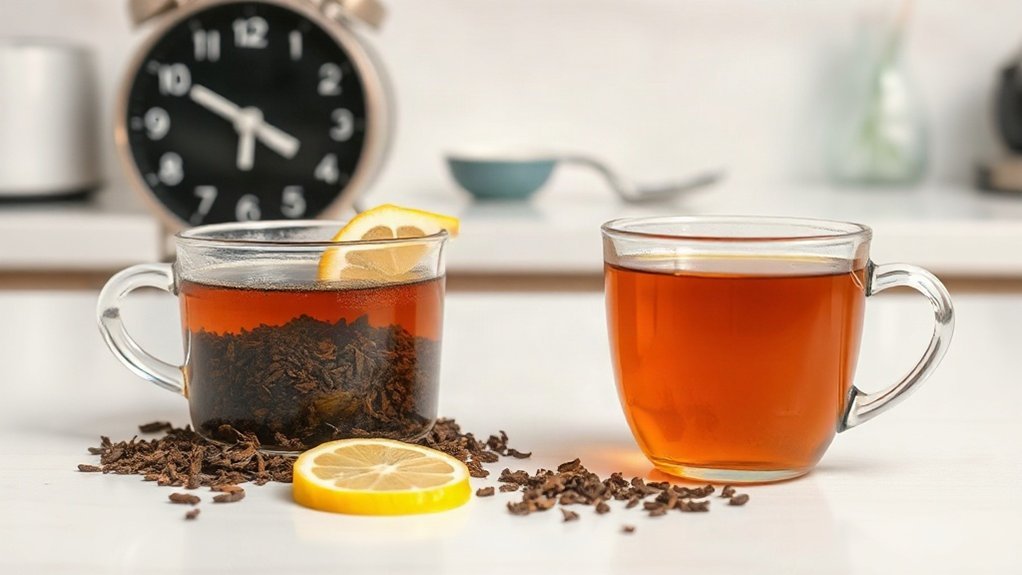
I’d treat plain, unsweetened slimming tea as unlikely to break a calorie-free fast because it contains very few calories. Check the label: sugar, honey, milk, cream, or other calorie-containing ingredients may interrupt a strict fast. A 250-mL cup of traditional tea usually has about 30–90 mg of caffeine, but available evidence doesn’t establish whether caffeine changes fasting benefits. Senna blends can cause cramps, diarrhea, dehydration, and electrolyte loss. The details below explain which ingredients and drinks fit your fasting approach.
Key Takeaways
- Plain, unsweetened slimming tea has very few calories and is unlikely to meaningfully interrupt a calorie-free fast.
- Sugar, honey, milk, cream, or other calorie-containing additives may break a fast; check the product label.
- Caffeine alone doesn’t determine whether tea breaks a fast, and its effects on fasting outcomes are not established.
- Tea’s caffeine varies by type and brewing; green or black tea typically has 30–90 mg per 250-mL cup.
- Check slimming tea for senna: it can cause cramps, diarrhea, dehydration, and electrolyte loss, especially with frequent use.
Does Slimming Tea Break a Fast?
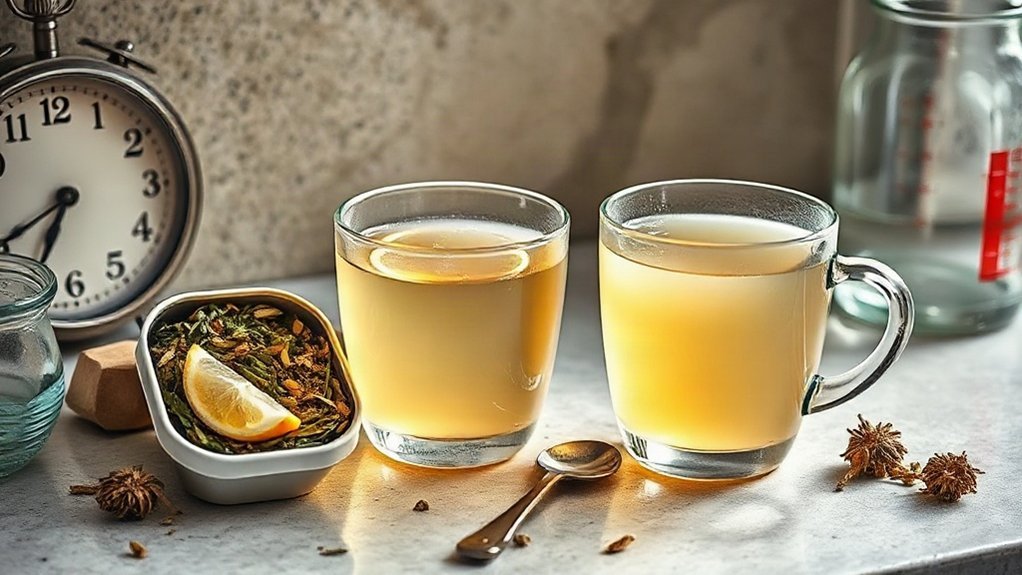
Plain, unsweetened slimming tea is unlikely to meaningfully interrupt a calorie-free fast because it contains very few calories. If you’re asking, “does tea break a fast,” the answer depends on the tea and how strictly you define fasting. For most people practising intermittent fasting, plain tea during fast hours is a low-calorie choice. A zero calorie tea may fit a strict fast, but check the label: some “slimming” blends include sugar, honey, milk, or other calorie-containing ingredients that can break a fast.
Tea naturally contains caffeine. A 250-mL cup typically provides about 30–90 mg, depending on the tea and brewing method; caffeine doesn’t add meaningful calories, though sensitivity varies. Caffeine-free herbal tea can also suit slimming tea fasting, but “herbal” doesn’t guarantee a calorie-free drink. I’d check ingredients rather than rely on the product name. Finally, don’t assume slimming tea causes fat loss: evidence is limited, and some blends may contain laxatives that can cause harm. The morning and evening formulas of All Day Slimming Tea may differ in caffeine content, which can affect energy and sleep.
What Slimming Tea Add-Ins Break a Fast?
If you’re trying to keep your fast calorie-free, sugar, honey, syrups, milk, and cream can break it by adding calories—even a small splash may matter under a strict plan. I’d check your fasting rules, since some plans allow small amounts while others require only a zero-calorie drink.
For fasting drinks, plain unsweetened tea is generally a lower-calorie choice. A little lemon juice or cinnamon adds little, but larger amounts can contribute calories. An artificial sweetener may have few or none; check its label and whether your plan permits it. Monk fruit is a sweetener, not a guarantee that a blend is calorie-free. Likewise, natural flavor doesn’t tell you whether a product contains sweeteners or other caloric ingredients.
For green tea fasting or detox tea intermittent fasting, I’d read the full ingredient list rather than rely on the product name. Packaged slimming teas can include add-ins that change whether they fit your fast. Their herbal ingredients may be included for health or weight-loss claims, but those claims aren’t necessarily supported by scientific evidence.
Does Caffeine in Slimming Tea Affect Fasting?
Caffeine alone doesn’t establish whether slimming tea breaks a fast, and the information available doesn’t show how it affects fasting outcomes. I can’t conclude that caffeine stops ketosis or changes fasting benefits based on these facts. If you’re wondering about tea and ketosis, the evidence here doesn’t settle the question.
Traditional green tea and black tea contain caffeine; a 250-mL cup typically provides about 30–90 mg, depending on the tea and how you brew it. Caffeine can stimulate your nervous system and heart rate, and it may cause jitteriness if you’re sensitive. Shorter brewing can reduce caffeine, while decaffeinated tea has most, but not necessarily all, removed.
Check the label before adding slimming tea to your fasting routine: blends may contain ingredients beyond tea, and caffeine levels vary. Don’t assume herbal tea is caffeine-free without checking its ingredients. If you compare it with black coffee or consider monk fruit fasting, these facts don’t establish either option’s effect on fasting outcomes.
Caffeine may also affect sleep quality, so the timing of slimming tea could matter if you’re sensitive to it.
Do Herbal Slimming Teas Break a Fast?
Herbal slimming tea doesn’t automatically break a fast just because it’s caffeine-free. I’d check its ingredients and your fasting rules: an unsweetened herbal tea, such as peppermint or chamomile, usually contains very few calories, but honey, sugar, milk, or cream adds calories and may interrupt a calorie-free fast.
With 16:8 fasting, whether a plain infusion fits depends on your chosen approach. Some people allow negligible calories; stricter protocols may not. Claims about preserving autophagy or avoiding an insulin response aren’t settled simply by calling a drink “herbal,” so I wouldn’t assume every blend has the same effect. Keep any sweetened drink within your feeding window if your plan excludes calories during the fast.
For all day slimming tea, read the label rather than relying on its name. Some products include sweeteners or laxative ingredients. Laxatives can cause harmful fluid loss and don’t create meaningful fat loss. Ingredient risks can also vary by product, so check the label for potential side effects and interactions. I’d choose a plain infusion and avoid slimming teas containing laxatives while fasting.
Can Senna Tea Cause Side Effects?
Senna tea can cause abdominal cramps, nausea, and diarrhea because senna acts as a stimulant laxative. I’d treat these effects as a safety issue, not evidence that the tea boosts metabolism or burns fat. Diarrhea can cause dehydration and loss of electrolytes, particularly if you use senna frequently or for a prolonged period.
A fasting app may help you track when symptoms occur, but it can’t assess whether senna is safe for you. Whether you follow a ketogenic diet or aim to maintain ketosis, don’t assume those goals prevent laxative side effects. Senna may also interact with medicines, including some diuretics and heart medications, so I recommend checking with a healthcare professional before using it if you take medication. Caffeine-related symptoms can also occur with slimming teas that contain caffeine.
I wouldn’t make senna a daily morning routine or evening routine. Regular or long-term use can make your bowel rely on laxatives and disrupt normal function. Avoid senna during pregnancy or breastfeeding unless a healthcare professional advises it. Seek medical advice if symptoms are severe or persist.
What Can You Drink While Fasting?

What can you drink while fasting? I’d choose plain water first: it has no calories and won’t add energy to your intake. Unsweetened tea is another low-calorie option, including black, green, white, oolong tea, and herbal blends. Skip milk, cream, and sugar if your goal is to keep calories out.
Traditional tea usually contains caffeine—about 30–90 mg per 250-mL cup—while herbal tea is generally caffeine-free. That difference may matter if you’re sensitive to caffeine or drinking tea late in the day. Brew black or oolong tea at about 210°F for 4–5 minutes; green tea at about 180°F for 4–15 minutes. Longer steeping makes tea stronger and more bitter. Avoid drinks hotter than 65°C (140°F).
Green and oolong tea contain compounds studied for their potential weight-loss effects, though the evidence does not establish them as a reliable way to lose weight. Sweeteners such as stevia or monk fruit extract add little energy, but they may affect the cephalic phase or appetite in some people; evidence and individual responses vary. For a strict fast, I’d stick to water or unsweetened tea.
Frequently Asked Questions
Does Tea Ruin Intermittent Fasting?
Tea doesn’t usually ruin intermittent fasting if you drink it plain and unsweetened. I’d count black, green, white, oolong, or yellow tea as compatible with a calorie-free fast; a 250 mL cup typically has about 30–90 mg of caffeine, depending on brewing. Milk, sugar, honey, or other calorie-containing additions break the calorie-free fast. If caffeine makes you jittery, I’d choose a caffeine-free herbal infusion or decaffeinated tea.
Which Is Better for Weight Loss, Coffee or Tea?
Neither coffee nor tea is clearly better for weight loss; I’d choose the unsweetened drink you enjoy most. Both provide few calories when plain, while sugar, cream, or milk can add them. Caffeine may briefly affect energy expenditure, but evidence doesn’t show meaningful, lasting fat loss from either drink. Tea usually contains less caffeine than coffee, though amounts vary. I’d avoid slimming teas with laxatives, which can cause harm without reducing body fat.
What Teas Won’t Break a Fast?
Plain green, black, white, oolong, or herbal tea can sit beside your fast without adding meaningful calories; a splash of milk or spoonful of sugar changes the picture. I’d choose tea brewed with water and drink it unsweetened. Chamomile, peppermint, and ginger infusions are caffeine-free options. If caffeine affects you, try decaf, though it may retain a little caffeine. Avoid sweetened bottled teas and flavored blends with caloric additives.
Does a Cup of Tea Count as Breaking Your Fast?
A plain, unsweetened cup of tea usually doesn’t break your fast because it contains very few calories. I’d avoid adding milk, cream, sugar, or honey, since those add energy and may conflict with your fasting rules. Black, green, white, and oolong tea contain caffeine; herbal infusions may not. I recommend checking labels, especially for slimming teas, which can contain laxatives or other ingredients beyond ordinary tea.
Conclusion
Whether slimming tea breaks your fast depends on your goal and what’s in the cup. Plain, unsweetened tea is the simplest calorie-free option; check the label for sweeteners or other additions. Caffeine may affect sleep or cause jitters, while senna can trigger cramps and diarrhea. A laxative effect isn’t fat loss. Senna products are generally intended for short-term use—typically no longer than one week without medical advice. If you have a health condition or take medication, ask a clinician before using them.
References
“Tea,” https://www.nccih.nih.gov/health/tea
“Senna,” https://medlineplus.gov/druginfo/natural/652.html
“Senna,” https://www.nhs.uk/medicines/senna/