Cheaper Alternatives to All Day Slimming Tea (Same Botanicals, Far Less Money)
I’d compare delivered cost per serving and check the full label before calling any tea a cheaper match for All Day Slimming Tea. Green or oolong tea bags may cost less, but similar botanicals don’t guarantee the same ingredients, doses, or effects. Ideal Health Slimatee costs about 26–28p per bag before shipping, while All Day’s price and ingredient amounts aren’t provided, so direct savings can’t be verified. I’ll outline what to compare and what the evidence says.
Key Takeaways
- Compare delivered cost per tea bag, since All Day Slimming Tea’s price, bag count, and shipping fee are not provided.
- Check full labels and botanical amounts; similar ingredients alone cannot confirm an equivalent blend or dose.
- Plain green or herbal tea, especially in bulk, may cost less but may not contain the same botanicals.
- Ideal Health Slimatee costs about 28p per bag in a 10-pack or 26p in a 20-pack, before delivery.
- Avoid paying extra for slimming claims: evidence for brewed slimming teas is limited, and any weight-management effect appears small.
How Do You Compare Cheaper Alternatives?

When I compare cheaper alternatives to All Day Slimming Tea, I look beyond the “slimming” label: check the botanical ingredients and amounts per serving, then compare the delivered price per tea bag. I don’t assume two products offer the same value because their names or claims sound alike. A useful cost per cup comparison starts with the serving size and the number of bags in each pack. For example, Ideal Health Slimatee Green Tea & Gentian costs £2.79 for 10 bags, or about £0.28 per bag; its 20-bag pack costs £5.25. I’d then add delivery, since free shipping may apply only when an order exceeds £10, and compare the total for the same number of servings. I also check whether a lower-priced blend contains senna or cascara. These laxatives can cause fluid loss, not meaningful fat loss. Treat “detox” and rapid-slimming promises as marketing; evidence for slimming teas remains limited, and any tea-related effect is likely modest. The evidence for the product’s health claims depends on its ingredients and their amounts. That’s a more practical value comparison.
What’s in All Day Slimming Tea?
I’d check the label first: Morning Energy Tea lists green and oolong tea, while Evening Detox Tea includes senna, licorice, and other herbs. The morning ingredients include a 2,000 mg proprietary blend, so you can’t see each ingredient’s individual amount. Because doses and effects matter, I’d compare the full labels and consider medication or health conditions before choosing a cheaper alternative. The formula also includes caffeine and ginseng, whose effects can vary from person to person.
Morning Tea Ingredients
All Day Slimming Tea’s morning blend is described as green tea with gentian, but the available information doesn’t confirm the full ingredient list or amounts. I’d check the packaging before comparing products or estimating what each cup provides.
| Ingredient | What’s known | Practical note |
|---|---|---|
| Green tea | From *Camellia sinensis*; contains caffeine and catechins, including EGCG | Effects on fat oxidation and energy expenditure may be modest |
| Gentian | A bitter herb | Its form, amount, and role aren’t specified |
Green tea’s caffeine may contribute to alertness, while catechins have been studied for possible small metabolic effects; neither guarantees weight loss. Gentian’s bitterness alone doesn’t establish a slimming benefit. The supplied listing identifies Ideal Health Slimatee Green Tea & Gentian as a similar product, not proof of an identical formula. I’d compare labels, serving sizes, and prices, and avoid assuming matching botanicals mean matching doses or effects.
Evening Tea Ingredients
The morning blend’s ingredients don’t confirm what’s in the evening tea; the available information doesn’t list its botanicals or amounts. I can’t verify which herbs it contains from these details, so don’t assume the two teas share ingredients.
Some slimming teas use senna or cascara, stimulant laxatives that increase bowel movements and may cause temporary fluid-related changes on the scale. That isn’t fat loss: laxatives don’t remove toxins or produce meaningful weight reduction. Senna isn’t intended for long-term weight management; overuse can lead to dehydration, electrolyte imbalance, cramps, nausea, and diarrhea.
Before drinking the evening tea, check its package ingredients label for the complete ingredient list and amounts. I’d be especially cautious if you take medication or have a health condition, and I’d ask a clinician or pharmacist whether the ingredients are appropriate for you.
Proprietary Blend Transparency
What’s in All Day Slimming Tea’s proprietary blend? I can’t verify its ingredients or amounts from the information available here. Check the product label before comparing it with a cheaper tea; marketing descriptions or a blend name aren’t enough to establish what’s inside.
Look for every botanical and its quantity per serving. If the label lists only a combined blend weight, you won’t know how much of each ingredient you’re getting. That matters because two teas can share a product category or similar claims without providing equivalent formulas or doses.
When choosing an all day slimming tea alternative, compare complete ingredient lists and per-ingredient amounts, not just names. I’d also look for credible third-party testing, but testing doesn’t replace clear dose disclosure. If quantities remain hidden, treat claims of matching the original blend cautiously.
Which Green and Oolong Teas Compare?
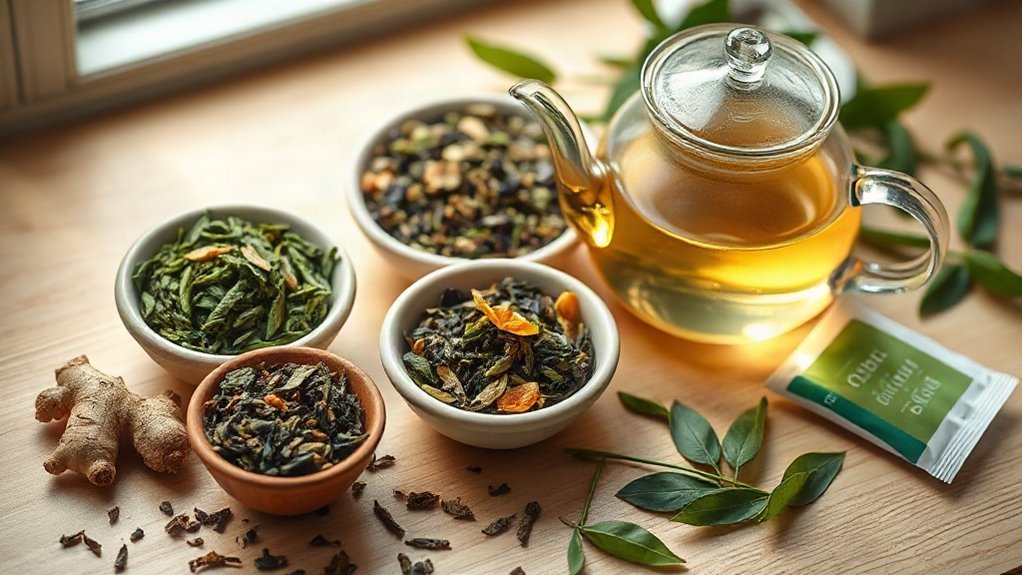
How do green and oolong tea compare as lower-cost alternatives to a slimming blend? I’d consider either brewed tea if you want caffeine and catechins without paying for a branded mix. Green tea is less oxidized; oolong tea is partially oxidized. Green tea has more weight-management research, but findings are mixed and any effect appears small.
| Tea | Processing | Evidence and practical note |
|---|---|---|
| Green | Less oxidized | Better-studied; effects remain modest |
| Oolong | Partially oxidized | Limited evidence; no proven lasting loss |
| Tea bags | Brewed leaves | Often cheaper; check ingredient labels |
| Bulk tea | Loose leaves | Compare price per serving and ingredients |
One small study found two daily cups of oolong increased nighttime metabolism and fat breakdown by about 20% over two weeks in 12 healthy-weight men. It didn’t show lasting fat loss. I’d choose unsweetened tea, since syrups add calories, and compare labels: plain tea won’t reproduce a blend’s other botanicals. Neither tea is proven to cause significant, sustainable weight loss. Both teas contain caffeine, which may contribute to their short-term effects on metabolism.
Which Morning Blends Match Its Botanicals?
To find a morning blend that matches All Day Slimming Tea’s botanicals, compare ingredient labels rather than “detox” or “slimming” claims. I can’t confirm a true match without its full label, so check the botanicals and compare prices per tea bag before buying.
- Green tea: Look for *Camellia sinensis* leaves. They provide catechins, including EGCG, and naturally contain caffeine.
- Matcha: This powdered green tea shares those botanicals. It may provide more caffeine and catechins than standard brewed green tea, so it isn’t automatically a closer match.
- Oolong: It also comes from *Camellia sinensis*, but processing changes its polyphenol profile. I’d treat it as related, not identical.
- Black tea: It shares the same plant species, yet its processing also changes its polyphenols. Check the label for any additional herbs you want to match.
I’d choose by listed ingredients, serving format, and cost—not weight-loss promises. A familiar tea base doesn’t establish that a blend delivers slimming effects. Comparing the cost per serving can also reveal which option is more affordable.
How Much Caffeine Is in Each Tea?
Caffeine varies by tea type and brewing method, so I’d check the label if you’re tracking your intake. For an 8-ounce cup, brewed green tea usually supplies about 30–50 mg, while black tea has roughly 40–70 mg. Oolong also typically contains 30–50 mg. Matcha can reach 60–70 mg because you drink the powdered leaf, not just an infusion. White tea is often lower, around 15–30 mg, though some cups contain more.
A cheap slimming tea made with green or oolong leaves may consequently provide caffeine, but I wouldn’t assume its amount from the ingredient list alone. Tea-bag size, water temperature, steeping time, and blend composition all affect the final cup. Loose leaf tea can vary for the same reasons, so compare package details and keep your serving size and brewing routine consistent. If a blend doesn’t state caffeine content, contact the maker rather than treating an estimate as a measured value. The evening formula may contain less caffeine than the morning blend, but check the product label for exact amounts.
Which Caffeine-Free Evening Teas Compare?
If you’re comparing caffeine-free evening teas, check the ingredient labels rather than relying on “slimming” claims. I’d compare each option with All Day Slimming Tea’s evening blend by looking for shared botanicals, including licorice root and peppermint. Similar ingredients don’t mean similar effects, and no caffeine-free tea has been shown to reliably cause weight loss.
Gentler options such as peppermint tea may support digestion without relying on laxative ingredients.
- Match the botanicals: Check whether the label includes licorice root, peppermint, fennel, ginger, or other ingredients you want.
- Check for laxatives: Senna or cascara can cause bowel movements and temporary water-weight changes, not meaningful fat loss.
- Compare value: Calculate the price per tea bag and serving, and confirm the serving size.
- Read the full label: Look for added sweeteners or other ingredients, not just the headline botanicals.
I’d choose plain, unsweetened herbal tea for a lower-cost evening drink if its ingredients suit me. Regular or excessive stimulant-laxative use can cause cramps, diarrhea, dehydration, and electrolyte imbalance, so it isn’t a sound ongoing weight-management strategy.
Does the Evening Tea Contain Senna?
Check the Evening Tea’s ingredient label for senna; the available information doesn’t confirm whether it contains it. I wouldn’t assume that the all day slimming tea’s evening blend is senna-free without checking the current packaging or asking the seller.
Senna is a stimulant laxative, not a fat-burning ingredient. It can increase bowel movements and may cause cramps, nausea, or diarrhea. If the scale drops after using it, that change usually reflects fluid loss rather than body-fat loss, so it doesn’t indicate lasting weight reduction.
I’d also be cautious about repeated use. Frequent or prolonged senna use can contribute to dehydration and electrolyte problems, making it an unsuitable weight-loss method. Regular use may also affect bowel function and digestion. If you take medication, have a health condition, or are pregnant or breastfeeding, ask a healthcare professional before using senna. If you’re comparing lower-cost evening teas, check each product’s ingredient label and choose based on your needs—not laxative effects. A caffeine-free label alone doesn’t tell you whether a tea contains senna.
Do Similar Ingredients Come in Similar Amounts?
A similar ingredient list doesn’t mean two teas deliver similar doses. When I assess a slimming tea dupe, I look beyond familiar botanicals: green tea or senna on both labels doesn’t show that each bag contains the same amount. Ingredient names alone can’t establish nutritional equivalence.
I compare four details before deciding whether the blends are genuinely comparable:
- Amount per bag: Check the quantity of each botanical, not just its place on the label.
- Daily serving: Compare the full recommended routine, including the number of bags you’d brew.
- Botanical form: Whole tea leaves and concentrated extracts aren’t dose-equivalent, even when they share a name.
- Caffeine and brewing: Tea type, leaf quantity, and steeping instructions can change caffeine content.
If a brand doesn’t disclose ingredient quantities, I can’t verify that its blend matches another product. Front-label claims won’t fill that gap. I also separate ingredient comparisons from cost per cup: a lower price doesn’t prove a similar formula.
How Much Does the Daily Routine Cost?
I’d compare the cost per day, not just the pack price, when weighing alternatives. Ideal Health Slimatee works out to about £0.28 per bag from a 10-pack or £0.26 from a 20-pack, before any shipping charges. I can’t compare full routine costs because prices for other ingredients and shipping aren’t provided.
Cost Per Day
At one bag a day, Ideal Health Slimatee costs about £0.26–£0.28 daily, depending on pack size. I’d compare the price per bag, not just the pack total, when judging slimming tea value. Here’s the breakdown:
- 10 bags: £2.79 total, or about £0.28 per bag.
- 20 bags: £5.25 total, or about £0.26 per bag.
- Daily use: Budget roughly 26–28p for one cup.
- Pack saving: The larger pack saves £0.33 per bag versus the 10-bag option.
That makes the 20-bag pack the lower-cost choice if you’ll use every bag. I’d still check the ingredient list and treat tea as a drink, not a proven weight-loss treatment. This is an affordable slimming tea option by price; delivery and discounts could change your final spend.
Shipping And Package Costs
For a fair daily-cost comparison, include delivery as well as the tea price. I can’t calculate All Day Slimming Tea’s daily cost from the available details: its price, bag count, serving instructions and shipping fee aren’t provided. For a lower-cost reference, Ideal Health Slimatee Green Tea & Gentian costs £2.79 for 10 bags, or about 28p per bag; 20 bags cost £5.25. Delivery is free only on orders over £10, so a small purchase may cost more once postage applies.
| Option | Pack price | Cost per bag |
|---|---|---|
| Ideal Health, 10 bags | £2.79 | £0.28 |
| Ideal Health, 20 bags | £5.25 | £0.26 |
| All Day Slimming Tea | Not supplied | Not supplied |
I’d divide pack price plus delivery by bag count, then by days covered. Don’t assume “49 per bag” or “69 per bag” without verified pricing.
Are Comparable Teas Safe and Well-Tested?
Are cheaper slimming teas safer or better tested? I wouldn’t assume so. Similar botanicals don’t prove a similar dose, safety profile, or effect. Evidence for slimming teas remains limited, and studies often examine concentrated extracts or capsules—not brewed blends—so results may not apply to your cup.
Before trying cheaper alternatives to all day slimming tea, I check:
- Full ingredients: A generic detox tea may contain senna or other laxatives, even when marketed as a gentle cleanse.
- Amounts and botanical names: These help me compare formulas; undisclosed doses make safety harder to assess.
- Warnings and interactions: Ingredients can affect medicines or health conditions. I’d ask a healthcare professional before use, especially during pregnancy or breastfeeding, or if I take medication.
- Manufacturer details: Clear contact and product information support informed choices, but don’t prove clinical testing.
Senna can cause cramps, nausea, and diarrhoea. Frequent use may bring dehydration, electrolyte problems, or laxative reliance. I wouldn’t use it for ongoing weight management.
Which Alternative Fits Your Budget and Needs?
I’d start with plain, unsweetened green tea and compare prices per bag for the lowest-cost option. If you want more caffeine or a bolder taste, consider matcha, black tea, or oolong, but don’t pay extra for slimming claims. I’d also check the daily cost and avoid blends with senna or cascara for routine weight management.
Lowest-Cost Options
If you’re watching your spending, Ideal Health Slimatee Green Tea & Gentian costs £2.79 for 10 bags—about 28p per cup—or £5.25 for 20 bags, bringing the cost down to roughly 26p per bag. I’d choose the larger pack for regular use, provided its ingredients suit you. For a budget detox tea, compare the price per bag rather than relying on slimming claims.
- Lowest upfront cost: Try the 10-bag pack if you want to spend less initially.
- Better regular-use value: The 20-bag pack saves roughly 2p per cup.
- Cheapest overall: Plain green tea may cost less, but might not include gentian or other botanicals.
- Tightest budget: Choose unsweetened ordinary tea; evidence for meaningful weight loss from tea is limited.
For slimming tea on a budget, I’d check labels and compare costs. Without All Day’s price and botanical amounts, I can’t calculate direct savings.
Match Your Priorities
The best alternative depends on what matters most to you: Ideal Health Slimatee is a low-cost option, plain green tea offers a familiar choice, and a senna-free blend may help you avoid laxative effects. I’d compare labels rather than assume these products match All Day Slimming Tea: sharing one botanical doesn’t make blends identical.
If you mainly want green tea, choose plain, unsweetened bags. Its possible weight-management benefits are modest and inconsistent, so I wouldn’t treat it as a slimming remedy. To avoid laxative effects, check for senna or cascara; either can cause cramps, diarrhoea, and fluid loss.
For a tight budget, compare pack size and cost per tea bag, not just the shelf price. Bulk slimming tea may suit regular use, but include delivery in your decision. If you take medication or have health concerns, ask a healthcare professional to review the ingredients.
Compare Daily Costs
For a fair budget comparison, look at cost per cup as well as the pack price: Ideal Health Slimatee costs £2.79 for 10 bags (about 28p each) or £5.25 for 20 (about 26p each). The larger pack lowers the serving cost but asks for more upfront. I’d compare options this way:
- Divide the price by the number of bags to find each cup’s cost.
- Check whether a 100 count pack on amazon actually costs less per bag; compare delivery charges too.
- Read ingredient lists: plain green tea may cost less, but it might not include gentian or other botanicals.
- Choose based on your budget and priorities, not “slimming” promises.
Tea hasn’t been shown to cause significant, lasting weight loss. I’d avoid judging value by laxative effects; senna can cause fluid loss and side effects.
Frequently Asked Questions
What Is the Best Tea for Weight Loss That Works Quickly?
I’d choose unsweetened green tea, but I wouldn’t expect it to cause quick, significant weight loss. Its caffeine and catechins may modestly affect energy expenditure, yet evidence shows small, inconsistent effects. For a practical benefit, I’d use it instead of a sugary drink and pair it with balanced meals and regular activity. I’d avoid senna “detox” teas: they don’t burn fat, and overuse can cause dehydration and electrolyte problems.
Is There a Weight Loss Tea That Actually Works?
Some teas may modestly support weight management, but no tea reliably causes meaningful, lasting fat loss on its own. I’d choose plain, unsweetened green tea if you enjoy it; caffeine and catechins may slightly affect energy use, though results are small and inconsistent. Brewed tea isn’t equivalent to concentrated extracts. Avoid senna “detox” teas: they cause fluid loss, not fat loss, and can trigger cramps, dehydration, and electrolyte problems. Focus on sustainable eating, movement, and sleep.
Which Tea Burns the Most Belly Fat?
No tea melts belly fat; I wouldn’t trust any cup to erase it like a magic wand. Green tea has the strongest, though limited, weight-management evidence: its caffeine and catechins may slightly affect fat oxidation, but studies show small, inconsistent effects—not targeted belly-fat loss. I’d choose unsweetened green tea if I enjoy it, especially instead of sugary drinks. “Detox” teas with senna mainly cause bowel movements and fluid loss, not lasting fat loss.
What Is the Best Herbal Drink to Lose Weight?
I’d choose unsweetened green tea as a practical herbal-style drink, but no tea reliably causes weight loss. Its caffeine and catechins may have a small, inconsistent effect on energy use. You’ll get more benefit by replacing sugary drinks with plain tea and pairing that swap with balanced meals and regular activity. I’d avoid “detox” teas containing senna: they cause temporary fluid loss, not fat loss, and can trigger dehydration or electrolyte problems.
Conclusion
I’d compare teas by botanicals, caffeine, serving size, and cost—not by slimming promises. Green or oolong tea may offer modest benefits, but no blend reliably melts fat. Check labels for senna, since frequent use can cause cramps, diarrhoea, and electrolyte loss; avoid it unless a clinician advises otherwise. A cheaper tea may differ in dose or quality, so start with a small pack and track what you actually drink. Your budget deserves more than a mountain of marketing claims.
References
Dietary Supplements for Weight Loss, https://ods.od.nih.gov/factsheets/WeightLoss-HealthProfessional/
Green Tea, https://www.nccih.nih.gov/health/green-tea