How to Use All Day Slimming Tea: Timing, Steeping and 6 Mistakes to Avoid
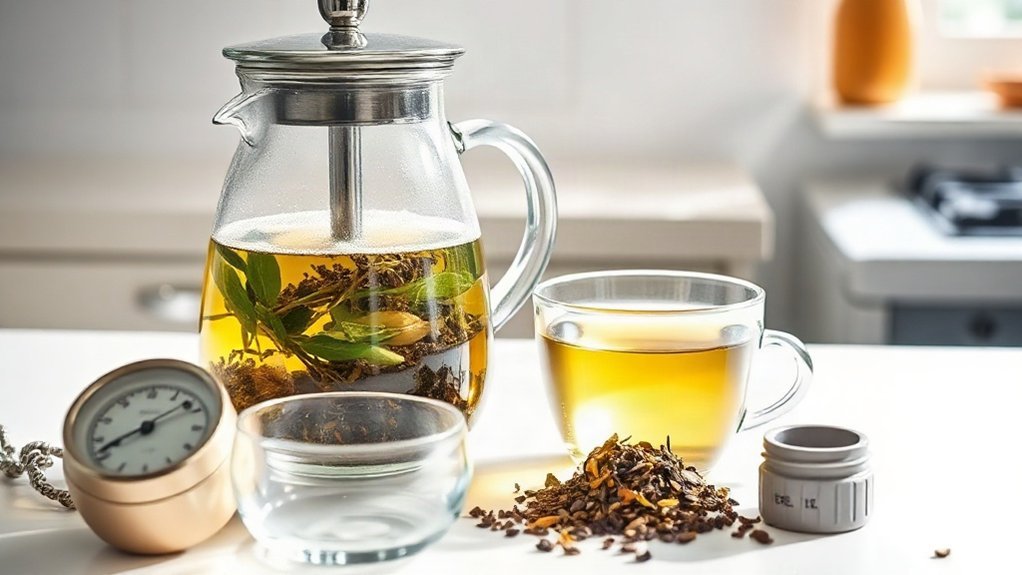
I’d start by checking the label for ingredients, serving size, water temperature, and steeping time; those directions take priority. If none are given, steep one tea bag in 8 ounces of water, then remove it when the timer ends. Drink it when convenient, but have caffeinated tea earlier if it affects your sleep. Slimming tea isn’t a proven shortcut to lasting fat loss, and laxative ingredients such as senna can cause harm. I’ll explain six common mistakes and safer choices next.
Key Takeaways
- Follow All Day Slimming Tea’s label for serving size, water amount, temperature, and steeping time.
- If directions are missing, use one tea bag per 8 ounces of water; remove it when steeping ends.
- Tea timing does not improve weight-loss results; check caffeine content and avoid drinking caffeinated tea late.
- Avoid using tea containing senna or other laxatives as a routine slimming drink; fluid loss is not fat loss.
- Stop if you develop diarrhea, cramps, nausea, or faintness, and ask a healthcare professional about medicine interactions or persistent symptoms.
How Do You Prepare Slimming Tea?

Before brewing a slimming tea, check its label for ingredients such as caffeine or senna, then follow the package’s water amount and steeping time. These slimming tea instructions matter because blends vary, and senna can act as a laxative. I’d use the product’s directions rather than assume every tea needs the same method.
If the label gives no measurements, a practical starting point is 1 tea bag in 8 oz water. For loose-leaf tea, try one teaspoon per 8 ounces. Use water suited to the tea type: about 175°F for green or white tea, 185°F for oolong, 195°F for black tea, or 203°F for herbal tea. This tea steeping guide is a general reference, not a substitute for package directions.
To learn how to brew slimming tea without making it bitter, remove the bag or leaves when steeping ends. Let the drink cool to a comfortable temperature before sipping. The herbs in slimming tea blends may be included for different intended effects, but their presence alone does not establish that the tea causes weight loss.
When Should You Drink It?
When should you drink slimming tea? I wouldn’t choose a time based on promises of extra weight loss: there’s no evidence that tea timing makes slimming tea more effective. Instead, I’d check the label and fit the drink around your sleep, medicines, and health needs.
- Check caffeine: For morning and evening tea, confirm which blend contains caffeine. I’d drink caffeinated tea earlier in the day, not close to bedtime, because caffeine may disrupt sleep. That’s sensible caffeine timing, not a weight-loss trick.
- Check laxatives: If the ingredients include senna or another laxative, don’t use the tea as a routine weight-management drink. Diarrhea can lead to dehydration; timing won’t prevent that risk.
- Consider your situation: I wouldn’t assume an empty stomach is necessary. If you take medication or have a health condition, ask a healthcare professional about medication timing and whether the tea is appropriate. Follow the product label, and don’t change prescribed medicine schedules without professional advice.
Tea may also affect digestion, so consider how it makes you feel and follow the label’s guidance on digestive effects.
What Can Slimming Tea Realistically Do?
Slimming tea may offer a small, inconsistent boost to metabolism, but I wouldn’t expect it to cause substantial or lasting fat loss. Green, black, and oolong teas may slightly affect metabolism or fat oxidation, but the evidence for meaningful weight loss remains limited.
If the scale drops after a cup, I’d consider whether fluid loss or more frequent bowel movements explain the change. Teas with senna or other laxatives can increase bowel movements; they don’t remove toxins or reduce body fat. Any lower reading may be temporary, not proof that the tea is working.
Research on detox teas does not show reliable evidence that they remove toxins or produce lasting weight loss. When considering how to use all day slimming tea, I’d treat it as a drink, not a weight-loss method. Check the product’s slimming tea dosage and think about how many cups a day suit your overall caffeine intake and comfort. Keep hydration, balanced meals, regular movement, and adequate sleep at the center of your slimming tea routine. Those consistent habits matter more for lasting weight management than tea alone.
Why Should You Follow Serving Directions?
I recommend following the package directions because ingredients such as caffeine or senna can affect people differently. Steep each bag as directed, and don’t use extra bags or steep longer to try to lose more weight. Taking more may increase the risk of diarrhea, dehydration, or electrolyte problems. Ingredient risks can vary depending on your health and other medications.
Support Safe Use
Follow the serving directions for All Day Slimming Tea rather than increasing the amount or frequency, since extra servings may increase your exposure to caffeine or senna. I consider moderation the best way to drink slimming tea, but directions don’t make it a proven way to lose body fat; quick scale changes may reflect fluid loss.
To support safer use:
- Check the ingredient list and ask a healthcare professional before use if you take medication, have a health condition, or are pregnant or breastfeeding. Ask specifically about interactions with medicines such as levothyroxine.
- Don’t rely on laxative teas for long-term weight management. Overuse can cause diarrhea, dehydration, electrolyte imbalance, and digestive problems.
- Stop and seek medical advice for faintness, persistent diarrhea, or rectal bleeding.
For detox tea preparation, follow the label; steeping for 3 to 5 minutes doesn’t prevent these risks.
Follow Steeping Guidance
Because tea-to-water ratio, water temperature, and steeping time affect flavor and strength, use the package directions and remove the bag when the timer ends. I follow the label rather than assume every blend brews alike. A 2 g serving may suit some teas, but check your package; loose-leaf amounts vary. Use a tea infuser if needed.
| Check | Practical step | Why it matters |
|---|---|---|
| Water | Match label guidance | Boiling water may make delicate tea bitter |
| Amount | Measure the stated serving | Keeps the brew consistent |
| Steeping | Set a timer; remove leaves promptly | Limits continued extraction |
If directions specify boiling water, follow them; otherwise, use the recommended temperature. Longer steeping can increase bitterness and tannins, not proven slimming benefits. I treat this as a brewing preference, not a weight-loss method.
Avoid Excess Servings
Even if one cup seems mild, I stick to the package’s serving directions: extra servings aren’t proven to increase fat loss. A 30-day supply with 60 tea bags may reflect a two-cup routine, but I check the label rather than assume. A second cup won’t make weight loss faster, and excess use can cause harm, especially if the tea contains senna.
- I watch for cramps, nausea, or diarrhea, which can lead to dehydration and electrolyte imbalance.
- I don’t mistake a lower scale reading after fluid loss for lasting fat loss; it’s mainly water.
- I ask a healthcare professional before use if I take medication, including antibiotics, or have a health condition, or if I’m pregnant or breastfeeding.
Tea may affect iron absorption; I check with a clinician or pharmacist about timing.
Which Ingredients and Medicines Need Caution?
Before trying All Day Slimming Tea, check its label for senna and note how much caffeine it contains, if disclosed. Senna, or cascara, acts as a stimulant laxative; it can cause cramps, nausea, diarrhea, dehydration, and electrolyte imbalances, especially with frequent or prolonged use. Don’t mistake laxative effects for fat loss.
The morning blend may contain caffeine, but the amount isn’t disclosed. Higher-caffeine teas can trigger anxiety, insomnia, or headaches, and caffeine may add to fluid loss. Keep a water bottle nearby, but don’t assume extra water prevents electrolyte problems. The evening blend’s senna may also affect your sleep or hydration.
I’d ask a healthcare professional before drinking the tea if you take prescription or over-the-counter medicines. Herbs may interact with drugs, while diarrhea can reduce medication absorption. Take particular care with diuretics, which may compound dehydration or electrolyte changes. Medication interactions can depend on the specific ingredients and medicines involved. If you’re pregnant or breastfeeding, have a health condition, or receive ongoing medical care, seek medical advice first. Check the label’s shelf life, too.
When Should You Stop Drinking Slimming Tea?
If you develop diarrhea, cramps, nausea, faintness, or other concerning symptoms, stop drinking the tea. I wouldn’t push through discomfort to preserve a bedtime routine or finish a bag. If symptoms are severe or don’t settle, seek medical advice.
I’d also stop in these situations:
- You’re using it for weight management. If the evening detox tea contains senna, stop using it for slimming. Frequent or long-term use can cause dehydration, electrolyte imbalance, and laxative dependence.
- It may interact with your medicines. Pause use and ask a healthcare professional to review the ingredients and your specific risks before restarting.
- You notice rectal bleeding. Stop senna tea and seek medical advice if bleeding persists or recurs frequently.
Regular senna use may disrupt normal bowel function over time. Don’t mistake a lower scale reading for lasting fat loss: laxative or diuretic effects mainly reduce fluid temporarily. Travel can disrupt hydration and bathroom access, so I wouldn’t rely on laxative tea then. A 60-day money-back guarantee doesn’t make continued use safe; stop when your health calls for it.
Frequently Asked Questions
What Will Happen if I Drink Slimming Tea Every Day?
If I drink slimming tea every day, I shouldn’t expect lasting fat loss; any scale change may reflect temporary water loss or eating less. I’d check the ingredients: senna can cause cramps, nausea, diarrhea, dehydration, and electrolyte problems, while prolonged use may lead to laxative dependence. Caffeine may disrupt sleep or cause anxiety. I’d ask a healthcare professional before regular use, especially if I take medication, have a health condition, or notice persistent bleeding.
What Tea Burns the Most Belly Fat?
No tea reliably burns belly fat; I’d choose unsweetened green tea for a modest, uncertain metabolic effect. Studies suggest green tea’s caffeine and catechins may slightly increase fat oxidation, but they haven’t shown dependable, lasting belly-fat loss. A useful reality check: any quick scale drop from “detox” tea may reflect water loss, not fat. I’d avoid laxative blends, including senna, and focus on sustainable eating, movement, sleep, and hydration instead.
When to Drink Slimming Tea, Morning or Night?
I’d choose morning or early afternoon for slimming tea if it contains caffeine; drinking it later may disrupt your sleep. Check the label, since blends vary. I wouldn’t use senna-containing tea at night for weight loss: it can cause cramps, diarrhea, and fluid loss, not fat loss. For All Day Slimming Tea, the evening blend contains senna. If you take medication, have a health condition, or are pregnant or breastfeeding, ask a healthcare professional first.
How to Make All Day Slimming Tea?
I make All Day Slimming Tea like a careful gardener: I follow the label rather than forcing growth. Use the recommended amount of tea and water, then steep it for the package’s stated time and temperature. If directions aren’t available, start with one teaspoon of loose tea per 8 ounces of water; for a green blend, try about 175°F. Remove the bag promptly. I wouldn’t add extra servings or steep longer; slimming tea isn’t proven to cause lasting fat loss.
Conclusion
I’d treat All Day Slimming Tea as a drink, not a weight-loss shortcut. Follow the package directions, steep each blend as instructed, and have the caffeinated tea in the morning. The evening tea’s senna may cause cramps or diarrhoea, so check with a healthcare professional if you’re pregnant, breastfeeding, have a condition, or take medicines affecting fluids or potassium. Stop if you feel unwell. Like a compass, this routine can guide your choices—but it can’t replace balanced meals or medical advice.
References
Senna, https://www.nccih.nih.gov/health/senna
Caffeine, https://www.fda.gov/food/food-additives-petitions/spilling-beans-how-much-caffeine-too-much
Weight Loss and Nutrition Myths, https://www.niddk.nih.gov/health-information/weight-management/myths-nutrition-physical-activity