All Day Slimming Tea Ingredients: Every Herb, What It Does and What the Evidence Says
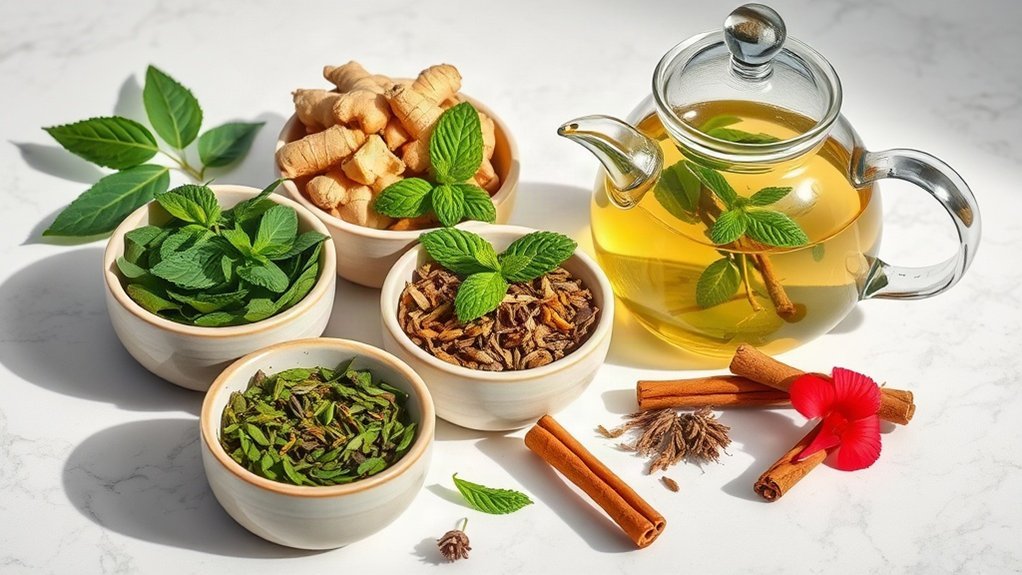
I can’t confirm one standard All Day Slimming Tea formula, so I’d check the full label and ingredient amounts before use. One version lists caffeine and ginseng in its morning blend; its evening blend includes senna, licorice, peppermint, fennel, ginger, and other herbs. Senna can cause bowel movements, not burn fat, while caffeine may briefly increase alertness or urination. Evidence doesn’t show slimming tea reliably reduces belly fat or produces lasting weight loss. I’ll explain what the ingredients and safety details mean.
Key Takeaways
- All Day Slimming Tea formulas vary; check the package label because the product name alone cannot confirm every herb or its amount.
- The disclosed evening blend lists senna, licorice, peppermint, fennel, ginger, cinnamon, orange peel, dandelion, lemongrass, monk fruit, and natural lemon and mint flavours.
- Senna is a stimulant laxative, not a fat burner; caffeine may temporarily increase alertness or urination, while other herbs have no proven lasting slimming effect.
- Laxative or diuretic effects may cause temporary water or bowel-content loss, not belly-fat loss; evidence does not show detox teas produce lasting weight loss.
- Senna can cause cramps, diarrhoea, dehydration, and electrolyte loss; check medicine interactions with a pharmacist and consult a healthcare professional before use.
What’s in All Day Slimming Tea?
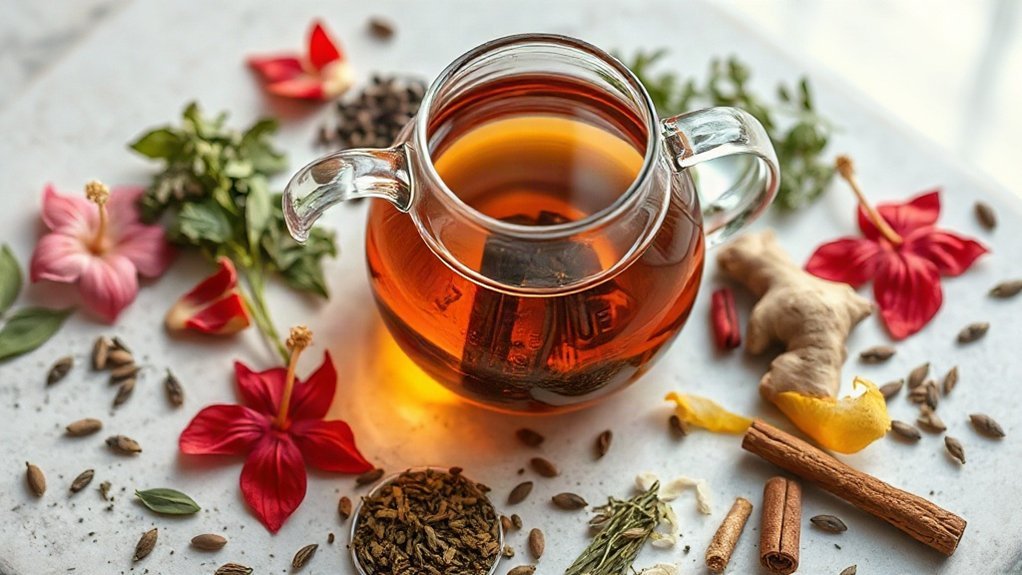
What’s in All Day Slimming Tea? I can’t confirm a standard recipe from that name alone: brands and versions may use different herbs, and the supplied information doesn’t identify a specific formula. Check the tea bag ingredients and the package label before you decide what to drink.
Look for a full ingredient list and the supplement facts panel, if provided. A proprietary blend may group ingredients without clearly showing each amount, making it harder to assess potential effects. Pay particular attention to senna leaf: it’s a stimulant laxative that can increase bowel movements and cause cramps or diarrhea. These effects don’t mean the tea burns fat.
Some slimming teas contain caffeine, which may increase urination and contribute to insomnia, anxiety, or headaches. Don’t assume a product is caffeine-free unless its label confirms that. I’d verify the exact herbs and amounts with the manufacturer, and ask a pharmacist about possible interactions with medicines. The product name alone can’t establish what’s inside or what effects to expect. Ingredient risks can vary depending on the formula and a person’s health or medicines.
What’s in the Morning Blend?
For the morning blend, check the package’s ingredient label rather than assuming it contains a standard mix; formulas vary, and caffeine may temporarily boost alertness or urination without proving fat loss. I’d also look for a clear label disclosure of each ingredient and its amount. A proprietary blend may list herbs without showing how much of each it contains, making it harder to assess effects or risks.
If the label names green tea, its catechins may modestly affect fat burning during exercise, but that evidence doesn’t establish slimming tea as an effective weight-loss method. Check whether the product uses brewed leaf or a standardized extract; the form and dose matter, and “green tea” alone doesn’t tell you either. Caffeine content matters too, especially if you’re sensitive to stimulants or already consume coffee or energy drinks.
The Morning Energy Tea formula also includes ginseng and caffeine, alongside a 2,000 mg proprietary blend.
I’d review the full ingredient list for potential medication interactions. If you take medication or have a health condition, ask a health professional before trying the blend.
What’s in the Evening Blend: and Is Senna Safe?
I’ll outline the evening blend’s ingredients, including senna, licorice, peppermint, and fennel. Senna acts as a laxative that triggers bowel movements, not fat loss. I’ll also explain its risks, which can include cramps, diarrhea, dehydration, and disrupted bowel habits with frequent use. Regular use may affect bowel function and hydration.
Evening Blend Ingredients
The evening blend combines senna with herbs and spices such as licorice, peppermint, fennel, ginger, and cinnamon. It also includes orange peel, dandelion, lemongrass, monk fruit, and natural lemon and mint flavour. The company doesn’t disclose ingredient amounts, so I can’t assess the dose of each herb or the blend’s overall safety.
Senna contains sennosides, stimulant laxatives that increase bowel movements; they don’t burn body fat. Any quick scale change may reflect temporary loss of water and bowel contents, not lasting weight loss. Overuse can cause cramps, diarrhoea, bloating, nausea, and dehydration, while ongoing use may disrupt normal bowel regularity. Licorice may also affect blood pressure and potassium. If you take medication, ask a medical professional before using this evening detox tea, since senna may reduce medicine absorption.
Senna’s Laxative Effects
Because senna stimulates bowel movements, it may cause a temporary drop on the scale or a flatter-looking abdomen—but that reflects fluid and bowel contents, not fat loss or “detoxification.” It can also cause cramps, diarrhoea, bloating, gas, and nausea; repeated use may disrupt normal bowel habits.
In the evening blend, senna is a stimulant laxative, not a fat-burning herb. I’d treat its presence among the slimming tea ingredients as a bowel-effect ingredient, not evidence that the tea reduces body fat. The same distinction applies to detox tea ingredients: more frequent bowel movements don’t remove toxins.
With all day slimming tea, excessive fluid loss from diarrhoea can dehydrate you and deplete sodium, potassium, or calcium, affecting muscle, heart, and nerve function. Diarrhoea may also reduce medicine absorption. If you have a health condition or take medication, consult a medical practitioner before using senna.
Senna Safety Risks
Although senna can trigger bowel movements, it doesn’t burn fat or remove toxins. I’d treat senna safety risks seriously, especially because the evening blend’s dose isn’t disclosed. Frequent or prolonged use can cause cramps, bloating, nausea, diarrhoea, and disrupted bowel regularity. Diarrhoea can also dehydrate you and deplete sodium, potassium, and calcium, potentially affecting muscle, heart, and nerve function.
Senna may speed digestion enough to reduce absorption of medicines, including possibly the contraceptive pill. Avoid senna-containing slimming teas if you’re under 18, older, have a low BMI or a history of eating disorders, or take medication without first asking a healthcare professional. I’d check guidance from the NIH Office of Dietary Supplements and relevant PubMed research; LiverTox is useful for checking liver-related safety, though senna’s main concern here is laxative effects.
Does All Day Slimming Tea Burn Belly Fat?
There’s no direct clinical evidence that All Day Slimming Tea or detox teas burn belly fat. I wouldn’t treat a lower number on the scale as proof of fat loss: caffeine-related urination or laxative-induced bowel movements can reduce water and bowel contents temporarily. Senna may make your abdomen look flatter after emptying the bowel, but it doesn’t target abdominal fat.
Green tea extract contains catechins, including EGCG, which may modestly affect fat burning during exercise. However, research hasn’t established a meaningful belly-fat-loss effect from drinking slimming tea. Evidence for garcinia cambogia is also insufficient to show that this blend reduces abdominal fat.
If a tea plan leads you to eat fewer calories, any weight loss is more likely related to that change than to the tea itself. I’d expect weight to return if normal eating resumes and the calorie difference disappears. Before-and-after changes may reflect temporary water-weight shifts rather than lasting fat loss. For lasting fat loss, focus on sustainable eating and activity habits rather than expecting a tea to selectively shrink your waist.
What Side Effects and Interactions Should You Know?
The same ingredients that may cause temporary changes on the scale can also cause side effects. Because the evening blend contains senna, overuse may bring cramps, diarrhoea, bloating, nausea, and disrupted bowel habits. Diarrhoea can also reduce medicine absorption, potentially affecting the contraceptive pill.
Caffeine may act as a diuretic; excessive fluid loss can lead to dehydration and low sodium, potassium, or calcium, affecting muscle, heart, and nerve function. The morning blend’s caffeine amount isn’t disclosed, so I can’t assess your exact exposure. Licorice root contains glycyrrhizin, which may raise blood pressure and lower potassium; use caution with hypertension, diuretics, or pregnancy.
Herbs can interact with prescription and over-the-counter medicines, including steroids and some heart drugs. Medication interactions may require extra caution or medical advice. NCCIH advises discussing herbal products with a health professional; I’d ask your practitioner before use if you take medication or have a health condition. Avoid weight-loss teas if you’re under 18, an older adult, have a low BMI, or have an eating-disorder history.
What Does All Day Slimming Tea Cost: and Is It Worth It?
I’d check the current package prices and shipping before comparing the options, since the listed offers range from a $9.95 one-time bag to multi-month bundles. I’d also verify what the “free” bag includes and whether any conditions apply. The six-month deal lowers the listed price per bag, but I wouldn’t consider it worthwhile without evidence of lasting weight-loss benefits. Comparing the cost per serving can give a clearer picture of what each package actually costs.
Package Prices and Shipping
I can’t verify All Day Slimming Tea’s current package prices, shipping fees, or delivery terms, so check the seller’s listing and compare the full checkout cost—including taxes and any recurring charges—before ordering. An advertised package price may not reflect what you’ll actually pay at checkout.
I’d also review the complete ingredient label and return policy before buying. Product descriptions may call it a natural slimming tea, but an herbal blend, a 2000 mg proprietary blend, or a 2 g tea bag doesn’t establish effectiveness or value. Evidence doesn’t show that detox teas produce lasting weight loss. Any quick scale change may come from water loss caused by diuretic or laxative effects, not fat loss, and may reverse when you resume normal eating and drinking. I’d weigh the total cost against that limited evidence and your tolerance for risk.
What the Free Bag Includes
A free bag sounds appealing, but the available offer details don’t specify its ingredients, price, shipping charge, or purchase conditions. I wouldn’t assume it contains oolong tea, orange peel, lemongrass, or ginger root—or matches either standard blend. Check the label and checkout terms before ordering.
- Confirm whether the bag itself costs nothing; “free” may still mean postage or another charge.
- Check for subscription enrollment, repeat billing, or other purchase conditions before entering payment details.
- Compare the complete cost and listed ingredients with plain green tea, rather than paying extra for unproven detox claims.
I’d also keep expectations realistic: this tea isn’t a proven weight-loss method. Any quick change on the scale may reflect temporary water loss, not fat loss. If the seller doesn’t clearly disclose the bag’s contents and terms, I’d wait to buy.
Is the Six-Month Deal Worth It?
The free-bag offer doesn’t establish whether All Day Slimming Tea’s six-month deal is good value; check the seller’s total price, serving count, and refund or cancellation terms before committing. I can’t verify those terms from the available information, so don’t assume a lower cost per serving makes the package worthwhile.
More importantly, six months of tea isn’t an evidence-based route to lasting weight loss. Ingredients such as ginseng root, dandelion leaf, hydroxycitric acid from garcinia, and tea polyphenols haven’t been shown to make this product produce reliable, lasting fat loss. Any early scale change may reflect water, glycogen, or waste, not fat.
If the blend contains senna, prolonged use may cause cramps, diarrhoea, dehydration, and mineral losses. I’d favor balanced eating, activity, water, and sleep over a long-term tea commitment.
Frequently Asked Questions
Does All Day Slimming Tea Really Work?
All Day Slimming Tea isn’t proven to produce lasting weight loss. I’d treat any quick scale drop as temporary: senna can increase bowel movements, while dandelion may affect water weight; neither removes body fat. Green tea may have a small, inconsistent effect, but no published trial confirms this finished product works. The evening blend also carries risks, including cramps, diarrhea, and dehydration. I wouldn’t rely on it for weight management.
What Is 4 Ingredient Weight Loss Tea?
A “4 ingredient weight loss tea” is a marketing label, not a standard formula; ingredients and amounts vary by product. I’d check the full label rather than assume four herbs can cause fat loss. Some teas contain senna, which increases bowel movements but doesn’t burn fat, or diuretic herbs that may temporarily reduce water weight. Evidence doesn’t show detox teas produce meaningful, lasting weight loss. Check for caffeine, laxatives, side effects, and medicine interactions.
What Tea Burns the Most Belly Fat?
No tea reliably burns belly fat, and I wouldn’t trust claims that one does. Green tea may slightly increase fat burning, especially during exercise, but research hasn’t shown meaningful, targeted belly-fat loss. Senna “detox” teas can lower scale weight temporarily through bowel movements and fluid loss—not fat loss—and may cause cramps, diarrhea, dehydration, or electrolyte problems. For lasting fat loss, I’d focus on balanced eating and regular activity; tea can be a drink, not a shortcut.
What Is the Chinese Tea That Helps You Lose Weight?
Green tea is the Chinese tea most often linked to weight loss, but I wouldn’t expect a dramatic change: research suggests its effect is small and inconsistent. Some studies indicate catechins may modestly increase fat burning during exercise, yet they haven’t established meaningful, lasting weight loss. Choose plain green tea over “slimming” blends; senna or caffeine can cause temporary water loss, cramps, or dehydration. Ask a health professional if you take medication or have a health condition.
Conclusion
I see All Day Slimming Tea as a blend of familiar herbs, not a shortcut to lasting weight loss. Caffeine may offer a brief lift, while senna can move the scale through fluid loss—not burn belly fat—and may cause harm with repeated use. Think of the tea as a ritual, not an engine for change. Before buying, check the ingredient doses, consider your medications and health, and ask whether the cost matches the evidence.
References
“Senna,” https://www.nccih.nih.gov/health/senna
“Weight Control and Supplements,” https://www.nccih.nih.gov/health/weight-control-and-complementary-health-approaches
“Caffeine,” https://www.fda.gov/food/food-additives-petitions/caffeine
8 comments